A look back at some of the projects Salford Foundation has delivered over the years
Steps (2024)
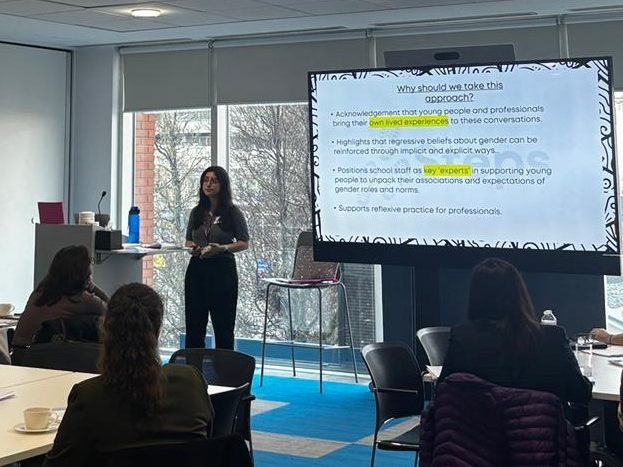
From May 2024 to April 2025, Steps worked with 745 boys in Years 5-8 across eight schools in Greater Manchester, positively impacting the boys behaviour and contributing to an improved understanding of Gender Based Violence (GBV).
The programme focused on reducing misogynistic attitudes and behaviours in primary and secondary school settings in support of the Greater Manchester Gender-Based Violence Strategy. It addressed the behaviours that enable and excuse GBV and empowered boys to make their own communities safer and more equitable.
Steps continues to be delivered in a revised format, wherein Salford Foundation co-ordinators train teachers and staff on the skills and knowledge to tackle misogynistic attitudes in young boys. Find out more about the current iteration of Steps here.
Homeless Prevention (2024)
This project helped vulnerable and socially isolated men, preventing them from losing their homes and enabling them to gain independent living skills and money management skills to reduce the risk of homelessness.
- Any man facing the loss of their home in Salford will be supported (up to 100 men per year)
- They will be empowered to build a range of skills that will allow them to thrive
- Men will have access to a variety of tools and resources that will help them to achieve their goals and overcome challenges
- Increased health and well-being
- Equipped to be able to manage a household through upskilling
- Improving their life chances and opportunities to engage
- Reduction in risk to re-offend from lack of opportunity or desperation
- Establishing an extensive community and self-help support network
Online Media Literacy (2024)
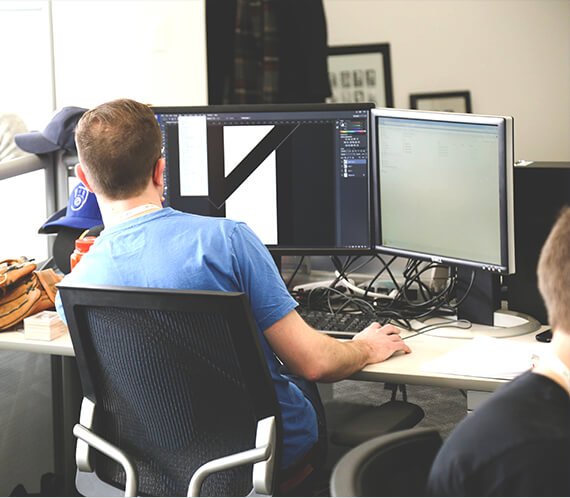
In 2024, Salford Foundation was commissioned by Ofcom as part of their Making Sense of Media programme to deliver a new media literacy project to young people aged 10-14 in Salford.
The project aimed to equip participants, with enhanced media literacy skills, to help them safely navigate the online world. Over a 12-month period, the project engaged 328 young people across 8 schools, community centres, and summer schools. The curriculum covered five key themes, cyberbullying, digital footprint, online safety, Instagram vs. reality, and fake news.
Sewing Bee Community Group (2023)
Our community learning programmes re-engaged disadvantaged people living in Salford with learning, helping them to progress onto further education and training.
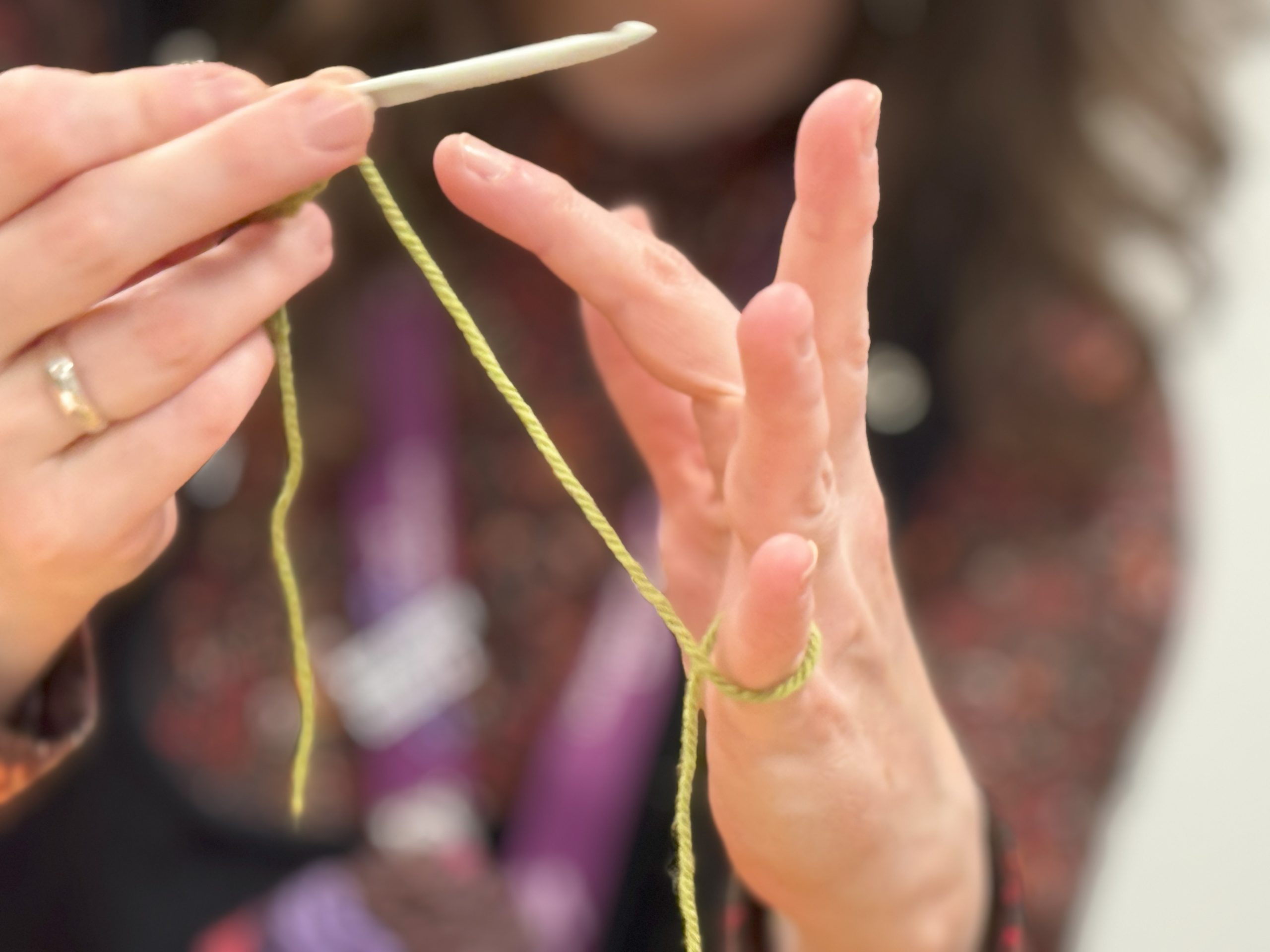
Through our diverse and friendly sewing bee group, we empowered women to be creative, share skills and connect with each other in Little Hulton, one of Salford’s most deprived areas. The 15-20 strong group of women meet weekly for a brew and to share the joy of learning, giving them access to free skills training, sewing machines, equipment and materials.
The Shed Workshop (2021)
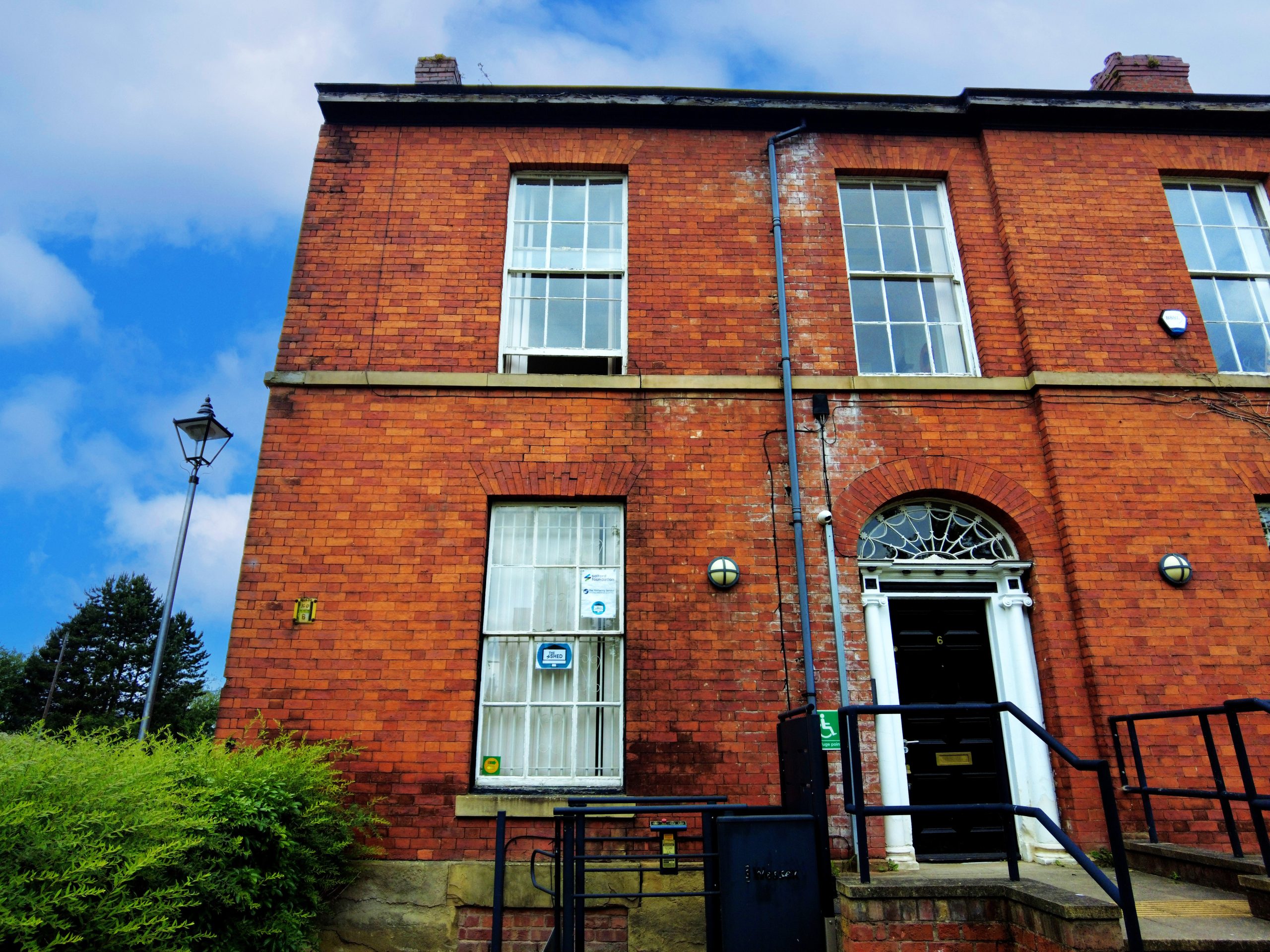
During Covid-19, we identified gaps in trauma-informed and gendered services to support vulnerable me in Salford and so we created a new project called “The Shed”.
The service was delivered by men with lived experiences including offending and is staffed by Key Workers, Volunteers and Peer Supporters. It’s a vital service which offered vulnerable, socially isolated and unemployed men in Salford the opportunity to build their confidence, make new friends and learn new skills.
STEER – Youth Violence Early Intervention and Prevention (2019)
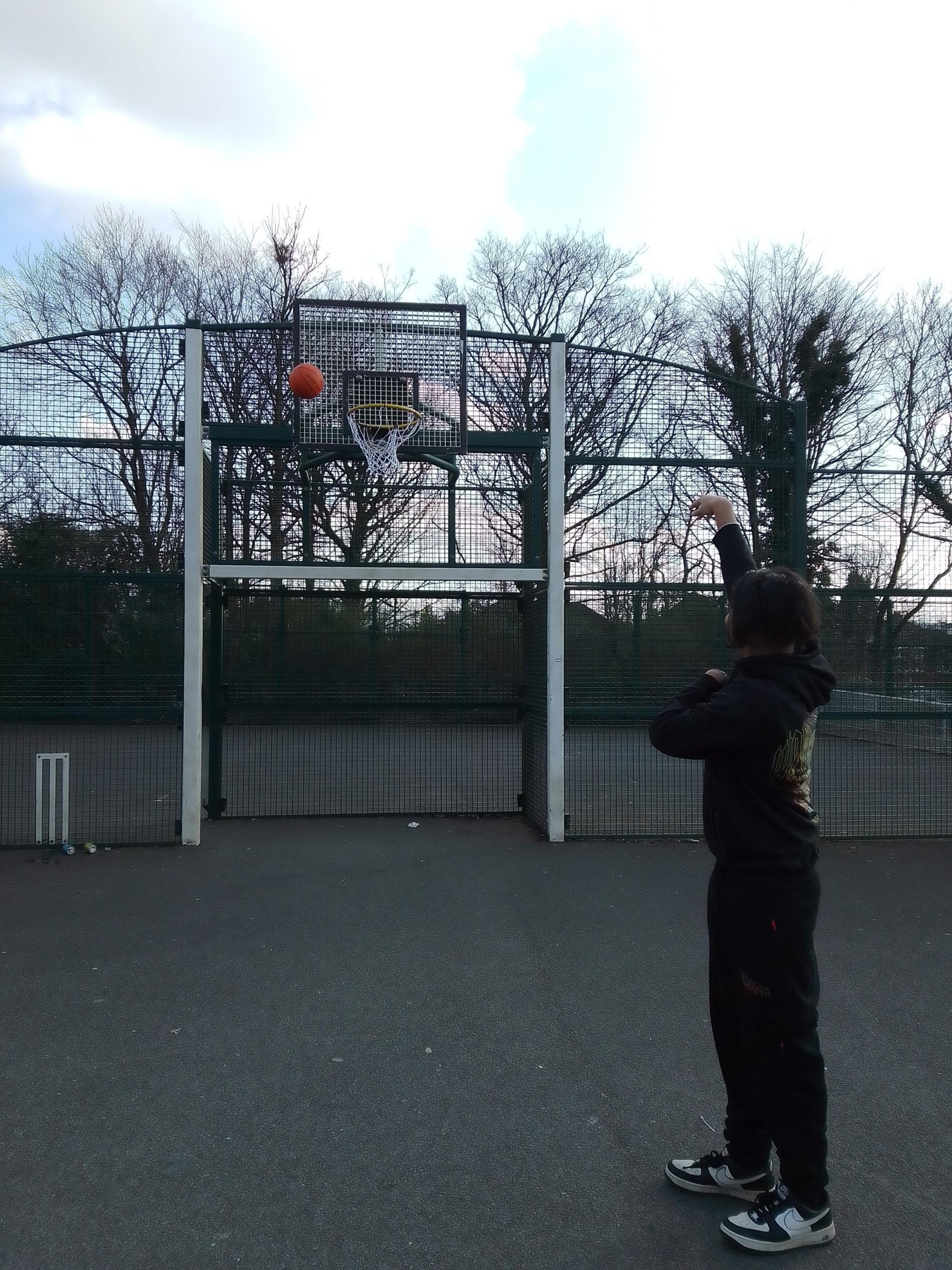
STEER is an early intervention and prevention mentoring programme which aims to end youth violence. The programme was funded by GMCA, Local Authority and Youth Endowment Fund. Young people aged 10-17 in Greater Manchester were given a “second chance” to change their behaviour and reduce their risk of offending.
The target group were young people who are at risk of involvement in violent crime. Referrals were made through Greater Manchester Police with safeguarding and partnership working with statutory agencies.
Boost Mental Health (2018)
Boost was an NHS Salford Innovation Fund programme developed by Salford Foundation in partnership with AQR International and Manchester Metropolitan University.
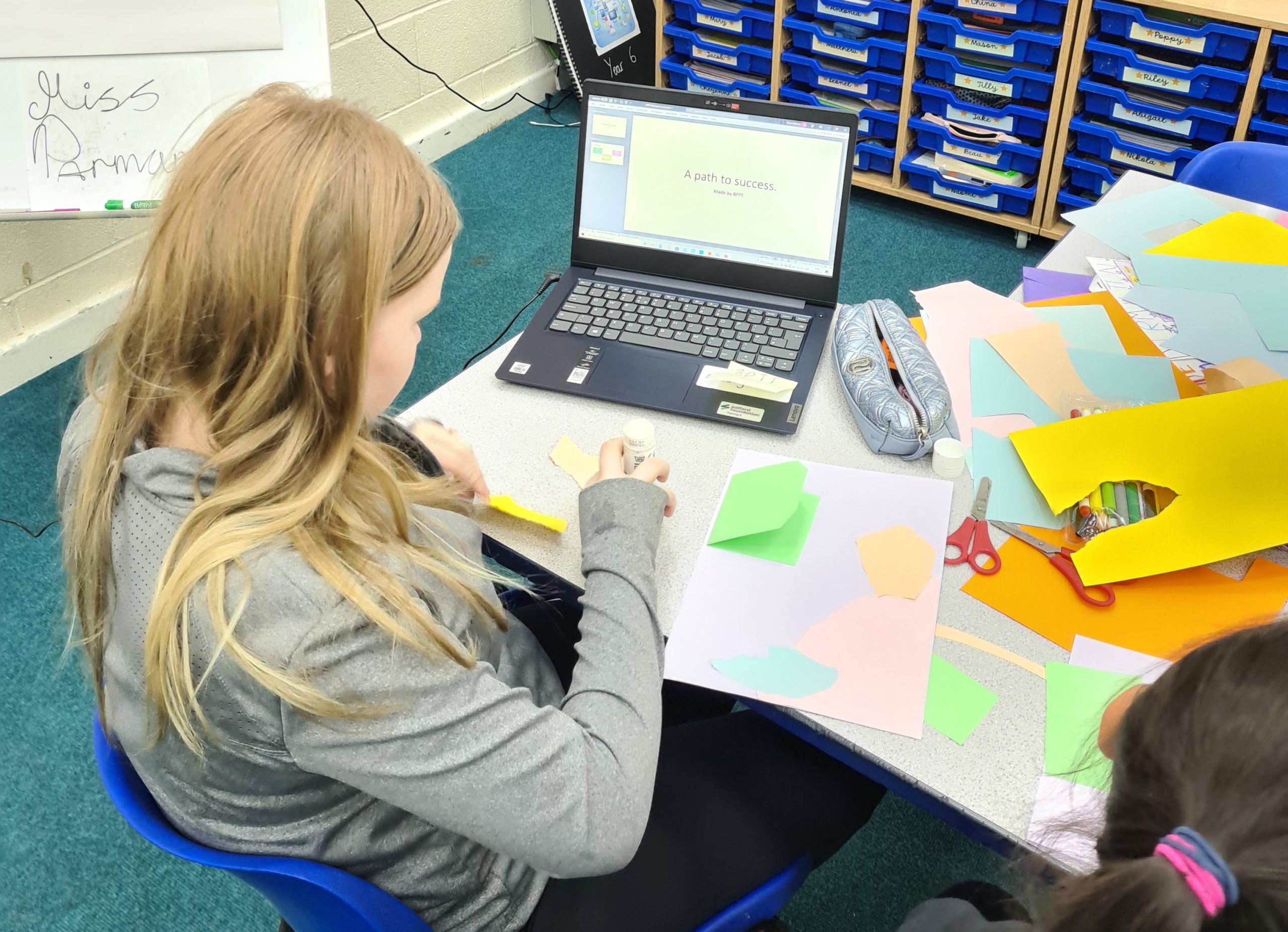
The programme aimed to build resilience and develop mental toughness for Year 5 pupils in Little Hulton and Walkden which are highly deprived areas of Salford. Project Co-ordinators and school staff were initially trained and assessed on their own Mental Toughness Questionnaire (MTQ48) which covers 4 areas Control, Commitment, Confidence and Challenge. The programme was delivered to 3 primary schools using a mix of Whole class sessions, Small Groups and One to One mentoring for pupils with high needs.
Questionnaires were adapted to be age appropriate for 9 and 10 year olds and scores were captured at baseline and after delivery of the 12-16 week programme.
External evaluation by Manchester Metropolitan University confirmed that the programme was effective, with positive feedback from schools, teachers, pupils and parents. The programme was particularly effective when delivered as whole class intervention as part of personal health and social education (PHSE).
Achieve Prison Mentoring (2015)
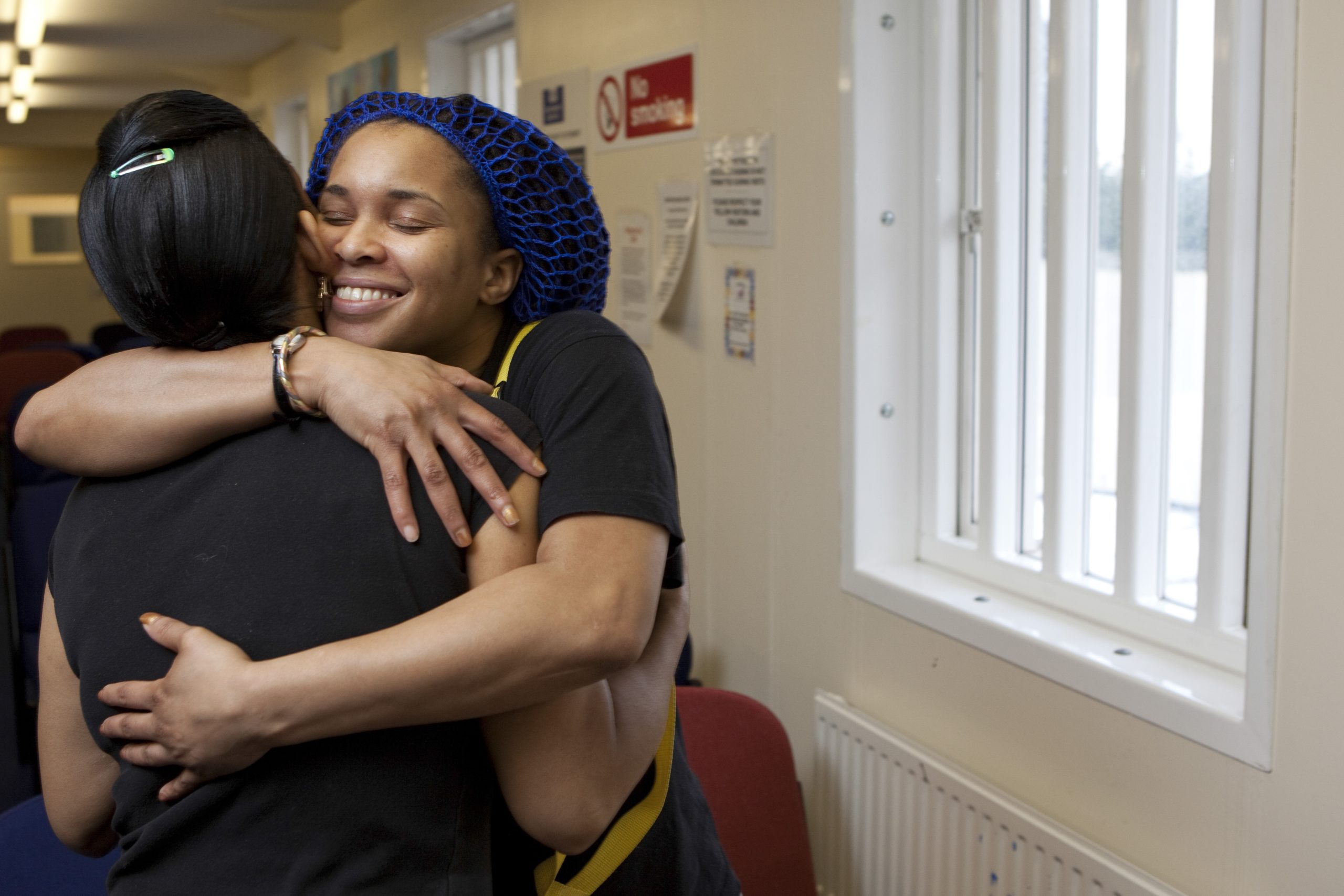
For many people, leaving prison can be scary and stressful, particularly if they have poor mental health, are experiencing financial hardship and are at risk of becoming homeless. Our Prison Mentoring programme supported male and female adult prisoners with less than 2 years to their release.
With funding from ESFO3 Achieve North West from 2015-2023, we supported the rehabilitation of 1,912 people across 7 prisons. Prisoners were offered 6 one to one sessions in custody coaching, mentoring, wellbeing and employability support. Mentors aimed to improve prisoners’ motivation, agree goals and resettled people back into the community.
National Citizen’s Service (2012)
We were involved in the delivery of the first National Citizens Pilots in 2009, engaging more than 13,157 disadvantaged young people aged 15 to 25 in Bolton, Salford, Trafford and Wigan across delivery of National Citizens Service (NCS) programmes between 2012 and 2023.
NCS Main Programme (2012-2023)
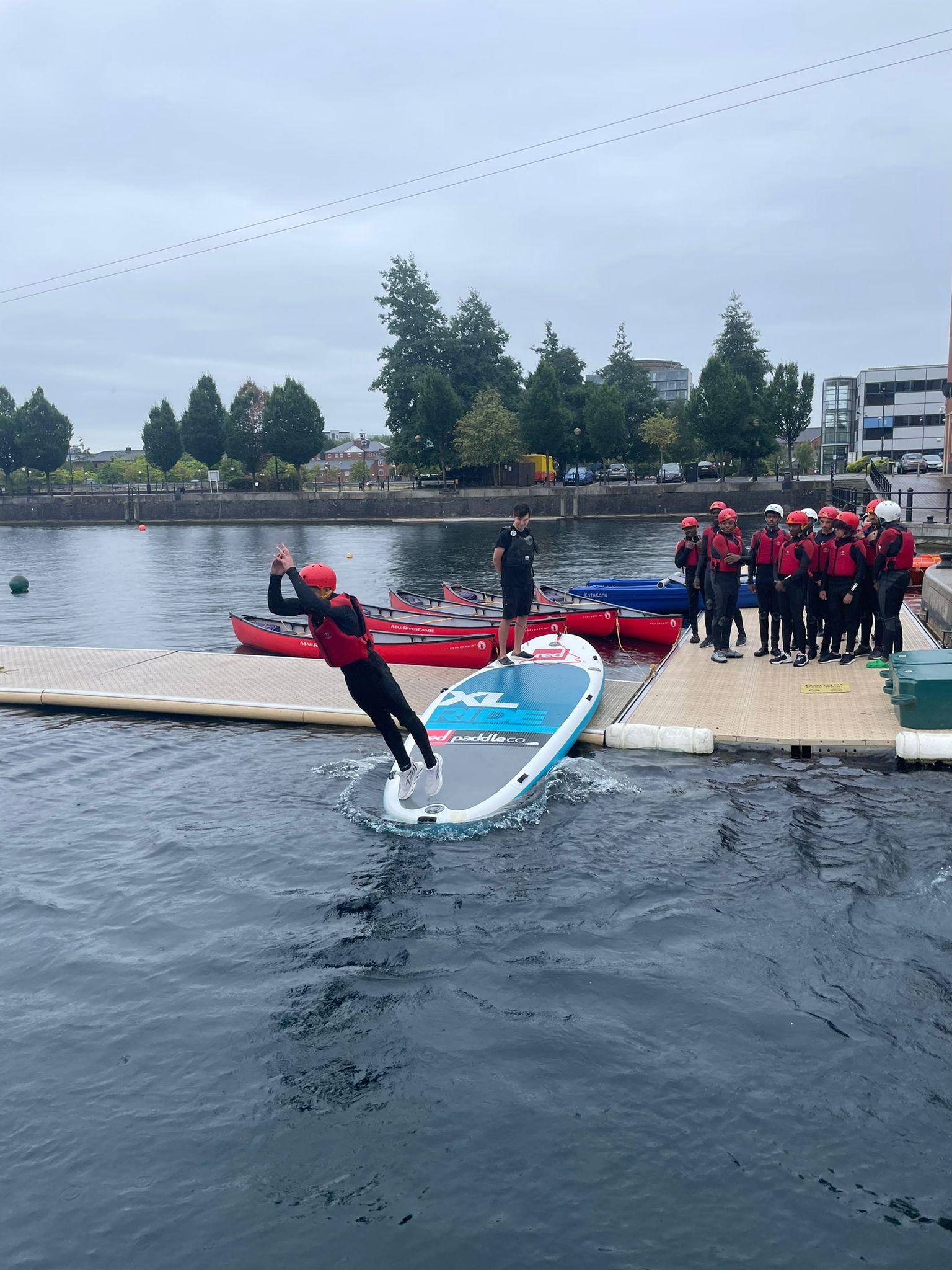
Our NCS programmes aimed to build confidence, develop skills, and prepare young people life and the world of work. This was accomplished through Social Action & Volunteering initiatives which saw them engage with their local community, and residentials with adventure and team building activities.
Open to All (2023-2025)
Our Skills Builder programme aimed to develop young people’s confidence, improve life and work skills, foster new community experiences and enable wider social mixing. It offered new community experiences through skills development, volunteering and social action. We reached 851 young people aged 15 to 17 and up to 25 (with an Education Health Care Plan) and delivered 3,156 community experiences.