Salford Foundation is proud to be a part of the Effective Women’s Centres Project – ensuring women have the chance to thrive
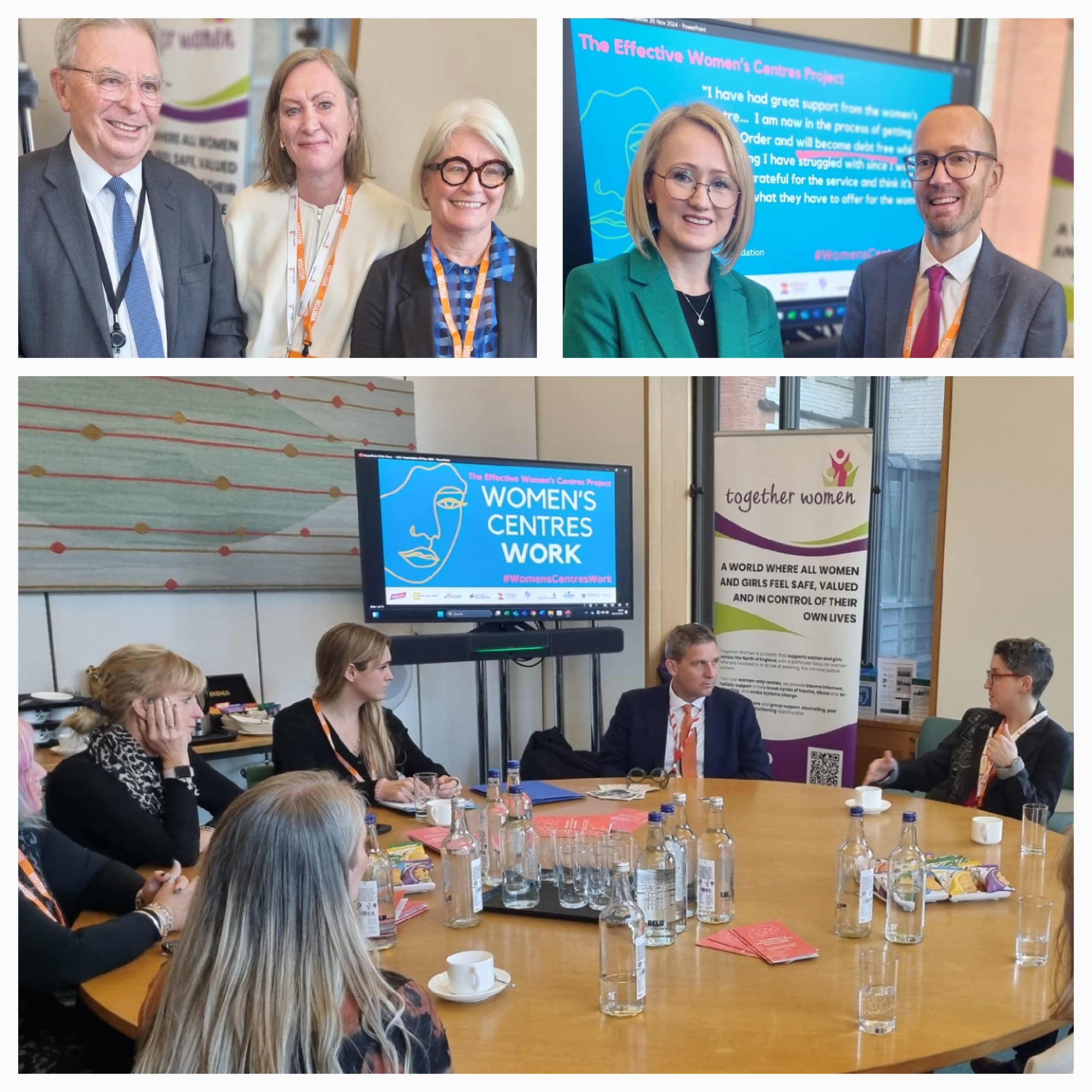
The Effective Women’s Centres (EWC) Project is a collaboration between: Anawim – Birmingham’s Centre for Women, Farida Women’s Centre Oldham (Partners of Prisoners), The Nelson Trust, Salford Foundation, Stockport Women’s Centre, Together Women, The Women’s Centre Cornwall, The University of Birmingham, and The JABBS Foundation.
The project demonstrates how women’s centres transform lives, benefit communities, and inform and shift policy. Its vision is sufficiently funded, gender- and trauma-responsive services for all women in England and Wales. Recognising and meeting women’s needs enables us to transform the systems which impact them. This creates better lives for them, and for society as a whole.
Identifying unmet needs
As a partnership of women’s centres, academics and funders we’re pioneering new ways to identify historic factors and unmet need behind offending – the Women’s Risk Needs Assessment (WRNA) – and women not in the CJS who have complex multiple unmet needs – the Gendered Wellbeing Assessment (GWA).
These tools provide crucial evidence for policy makers and funders on the factors most closely linked to offending; negative life events and societal pressures currently experienced by disadvantaged women; and areas where intervention is most effective. Our aim is that this data supports initiatives to reduce re-offending, improve long term outcomes for women and their families and break the cycle of generational trauma.
We are able to offer research insight, policy recommendations and best practice guidance to anyone working with vulnerable or CJS-involved women across issues including homelessness, substance abuse, mental health and more widely trauma and PTSD.
These tools provide crucial evidence for policy makers and funders on the factors most closely linked to offending; negative life events and societal pressures currently experienced by disadvantaged women; and areas where intervention is most effective. Our aim is that this data supports initiatives to reduce re-offending, improve long term outcomes for women and their families and break the cycle of generational trauma.
We are able to offer research insight, policy recommendations and best practice guidance to anyone working with vulnerable or CJS-involved women across issues including homelessness, substance abuse, mental health and more widely trauma and PTSD.
Using our research in Greater Manchester
Greater Manchester is in a unique position to use this data and insight through its devolved health and social care budget, status as a Marmot City Region, DWP pilot to reduce long term unemployment through illhealth and joined up working across key policy areas through the GMCA. We are keen to share our findings with funders, commissioners and policy makers from across healh, social care, community safety and CJS sectors in the region along with civil society colleagues.
Research by the Effective Women’s Centres Project to date includes:
- Meta-analytic review of effectiveness of interventions for CJS-involved women
- Examining the relationships between severity and complexity of needs among CJS-involved women
- Identifying principles and practice of casework in women’s centres and for supporting CJS-involved women